
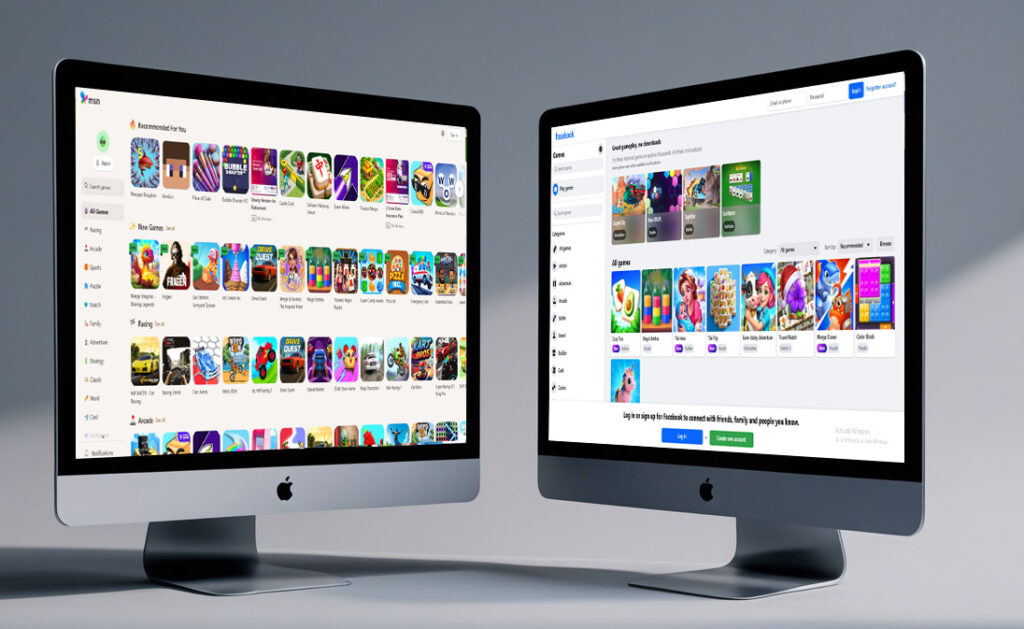
The debate around MSN Games vs Facebook Games continues among casual gamers who want simple, stress-free entertainment. Both platforms offer browser-based games without requiring high-end hardware, yet the experience on each feels very different. MSN Games is often associated with classic puzzles and card games, while Facebook Games leans toward social, progression-based titles connected to your online profile.
As casual gaming evolves, players now care about more than just the games themselves. Ads, privacy, social pressure, performance, and ease of use all play a role in choosing the right platform. Some users enjoy quiet solo gameplay, while others prefer sharing progress and competing with friends.
This detailed comparison breaks down MSN Games and Facebook Games using clear contrasts, real user behavior, and practical differences to help you decide which platform suits your gaming style.
Platform Identity at a Glance
=== MSN Games ===
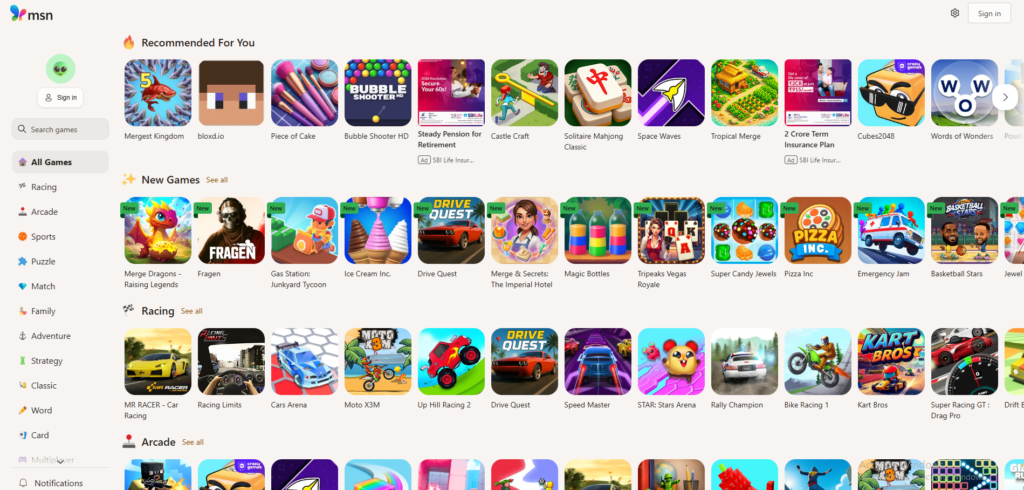
MSN Games focuses on solo-friendly, browser-based games such as Solitaire, Sudoku, Mahjong, and word puzzles. The platform is designed for quick access, minimal setup, and calm gameplay. It appeals strongly to users who value simplicity and routine.
=== Facebook Games ===
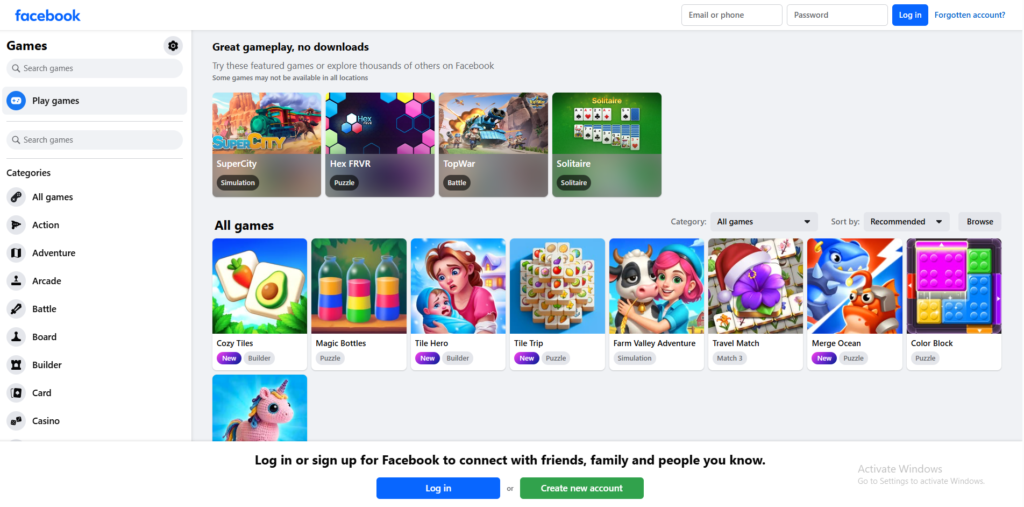
Facebook Games is deeply connected to social interaction. Games often include friend lists, leaderboards, gifting systems, and notifications. The platform emphasizes engagement through sharing, competition, and progression.
Game Style Comparison
MSN Games > Classic and timeless
Games on MSN rarely change their core rules. A game you play today will feel the same tomorrow. This consistency builds comfort and trust, especially for long-term users.
Facebook Games > Evolving and social
Facebook Games frequently update with events, levels, and rewards. While this keeps things fresh, it can also feel overwhelming for players who just want to relax.
Learning Curve and Accessibility
MSN Games = Low learning curve
Most games can be understood in minutes. Instructions are minimal, and controls are straightforward using a mouse or keyboard. This makes MSN Games ideal for beginners and older users.
Facebook Games = Medium learning curve
Many Facebook Games include tutorials, progression systems, and layered mechanics. New players may need time to understand how everything works.
Social Pressure and Gameplay Experience
MSN Games > Play alone, no pressure
There is no expectation to invite friends, send gifts, or compete. Players can enjoy games privately without notifications or reminders.
Facebook Games > Social by design
Games often encourage sharing achievements, requesting help, or competing with friends. Some users enjoy this interaction, while others find it distracting.
Ads and Monetization Approach
MSN Games = Passive ads
Ads usually appear around the game interface and rarely interrupt gameplay. There are no forced video ads to continue playing.
Facebook Games = Active monetization
Many games rely on in-game purchases, energy systems, and rewarded ads. Progress may slow down unless players engage with ads or spend money.
Privacy and Account Dependency
MSN Games > Minimal account dependency
Most games can be played without logging in or sharing personal data. This appeals to users who value privacy and simplicity.
Facebook Games > Profile-linked gaming
Gameplay is tied to your Facebook account. Friend data, activity tracking, and social visibility are part of the experience, which some users find intrusive.
Performance and Stability
MSN Games > Lightweight and stable
Games are optimized for browsers and run well on older computers and low-end systems. Updates are usually server-side and unobtrusive.
Facebook Games > Resource-heavy
Some games use more animations and background processes, which can slow down older systems or browsers.
Device Preference
MSN Games works best on desktops and laptops with larger screens. The interface is clean and easy to read, making longer sessions comfortable.
Facebook Games works well on both desktop and mobile browsers but feels more optimized for users who frequently switch devices.
Audience and User Behavior
MSN Games attracts players who enjoy calm, predictable gameplay. Many users treat it as part of a daily routine rather than a competitive activity.
Facebook Games attracts users who enjoy social validation, competition, and frequent interaction with friends.
Strengths and Weaknesses Summary
MSN Games strengths >>
Simple gameplay, low pressure, privacy-friendly, stable performance
MSN Games limitations >>
Limited social features, fewer modern updates
Facebook Games strengths >>
Social interaction, frequent updates, wide variety
Facebook Games limitations >>
Higher ad pressure, privacy concerns, more distractions
Which Platform Is Better for You
If you prefer quiet, solo gameplay with minimal interruptions, MSN Games is the better choice. It offers relaxation, mental stimulation, and consistency without demanding attention.
If you enjoy social interaction, sharing progress, and competing with friends, Facebook Games may feel more engaging despite its heavier monetization.
Official Links
- MSN Games Official Platform
https://www.msn.com/en-us/play - Facebook Gaming Official Page
https://www.facebook.com/gaming
Also Check: Why MSN Games Is Still Popular Among Seniors
FAQ
Is MSN Games completely free?
Yes, it is free and supported mainly through ads.
Do Facebook Games require a Facebook account?
Yes, most games are tied to your Facebook profile.
Which platform is better for seniors?
MSN Games is generally more senior-friendly due to simplicity.
Are Facebook Games more competitive?
Yes, they focus heavily on social and competitive features.
Can I play both without downloads?
Yes, both platforms are browser-based.
Which platform has fewer ads during gameplay?
MSN Games typically interrupts gameplay less.
The MSN Games vs Facebook Games comparison shows two very different approaches to casual gaming. MSN Games prioritizes simplicity, privacy, and relaxed play, making it ideal for users who want stress-free entertainment. Facebook Games focuses on social interaction, progression, and engagement, which appeals to players who enjoy competition and connection. Neither platform is objectively better, but understanding these differences helps players choose the experience that truly fits their preferences.