
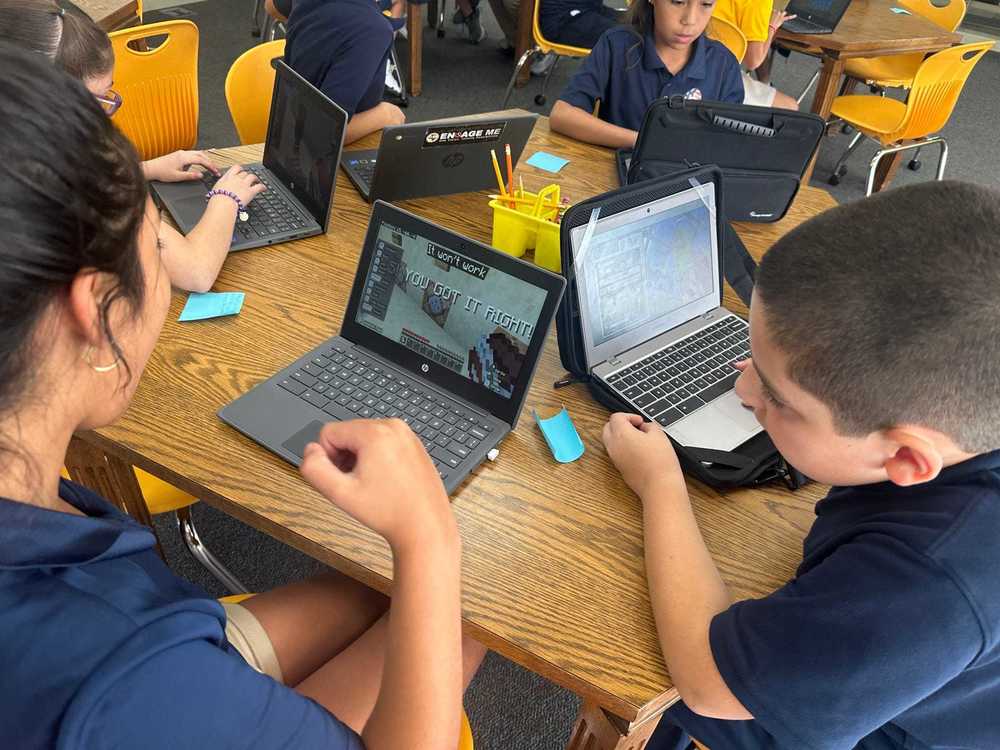
Minecraft Education is changing the way students learn by turning traditional lessons into interactive adventures. Instead of reading about history, science, or coding from a textbook, students can explore, build, and experiment inside a digital world. Minecraft Education takes the creative freedom of Minecraft and adapts it for schools, teachers, and structured learning. Across the United States, many classrooms now use Minecraft Education to make lessons more engaging, collaborative, and practical for today’s digital generation.
Minecraft Education is developed by Mojang Studios and owned by Microsoft. It is a special version of the popular game Minecraft, designed specifically for educational use. Unlike the regular version of Minecraft that focuses mostly on entertainment, Minecraft Education includes classroom tools, lesson plans, coding features, and collaboration options that support structured learning. Teachers can control the environment, guide activities, and even assess student progress.
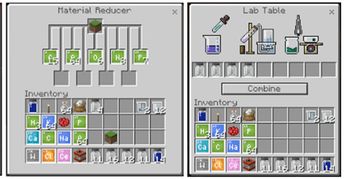
One of the biggest reasons Minecraft Education is popular in American schools is its flexibility. It can be used for almost any subject. In science classes, students can conduct virtual chemistry experiments using in-game elements and compounds. In history classes, they can rebuild ancient civilizations and explore historical landmarks. In math, they can visualize geometry concepts by constructing shapes and measuring dimensions inside the game. Instead of just memorizing facts, students experience lessons in a hands-on way.
Coding is another powerful feature of Minecraft Education. Students can learn programming using block-based coding through Microsoft MakeCode or switch to more advanced languages like Python. This allows beginners to understand logic and sequences, while advanced students can build more complex projects. Learning to code inside a familiar game environment reduces fear and increases confidence. Many schools in the U.S. now introduce coding basics through Minecraft Education because it feels less intimidating than traditional programming platforms.
Collaboration is at the heart of Minecraft Education. Students can work together in the same virtual world to complete projects and solve problems. This builds teamwork, communication skills, and creativity. For example, a group of students might design a sustainable city while learning about environmental science. They must plan energy sources, transportation systems, and green spaces. This type of project encourages critical thinking and real-world problem solving.
Teachers benefit just as much as students. Minecraft Education provides ready-made lesson plans aligned with curriculum standards. Educators can manage classroom settings, freeze students if needed, and guide them step by step. There are also training programs available for teachers who are new to the platform. Because of Microsoft’s support, schools can integrate Minecraft Education with existing systems like Microsoft 365 and Teams, making classroom management smoother.
Safety is an important concern for parents and schools. Minecraft Education includes secure multiplayer environments limited to classroom participants. Unlike public servers in regular Minecraft, students cannot interact with strangers. This controlled setup makes it suitable for elementary, middle, and high school use across the United States.
Another major advantage of Minecraft Education is accessibility. It works on Windows, Mac, iPad, and Chromebook devices. This flexibility makes it easier for schools with different hardware setups to adopt the platform. Cloud-based accounts allow students to log in from school or home, supporting hybrid and remote learning models that became more common after 2020.
Many parents search online to understand whether Minecraft Education is worth it. The answer depends on learning goals. If used properly under teacher guidance, it can significantly improve engagement and knowledge retention. Students often remember interactive experiences longer than textbook readings. However, like any digital tool, it should be balanced with offline activities to maintain healthy screen time habits.
Minecraft Education also supports social-emotional learning. Students learn patience while building complex structures, resilience when projects fail, and cooperation when working in teams. These soft skills are essential for future careers. Employers today value creativity and collaboration just as much as technical knowledge, and Minecraft Education helps build both.
In the United States, Minecraft Education has been used for nationwide events such as virtual field trips and global challenges. Students can explore space simulations, marine biology projects, and even digital citizenship lessons. These experiences broaden perspectives beyond the classroom walls. When students see how their learning connects to real-world problems, motivation increases naturally.
From a technology standpoint, Minecraft Education runs smoothly on most modern devices. Schools can purchase licenses through Microsoft Education programs. There are also trial versions available for teachers who want to test it before full implementation. Updates are regularly released to improve performance and add new features.
In conclusion, Minecraft Education is more than just a game. It is a modern learning platform that combines creativity, technology, and curriculum-based teaching into one interactive experience. For U.S. schools looking to increase engagement, teach coding skills, and promote collaboration, Minecraft Education offers a powerful solution. As education continues to evolve in the digital age, tools like Minecraft Education show how gaming and learning can successfully work together to prepare students for the future.
If you are a teacher, parent, or student exploring innovative ways to learn, Minecraft Education is worth considering. It transforms traditional lessons into memorable experiences and helps students build not only virtual worlds but real-world skills that matter.